
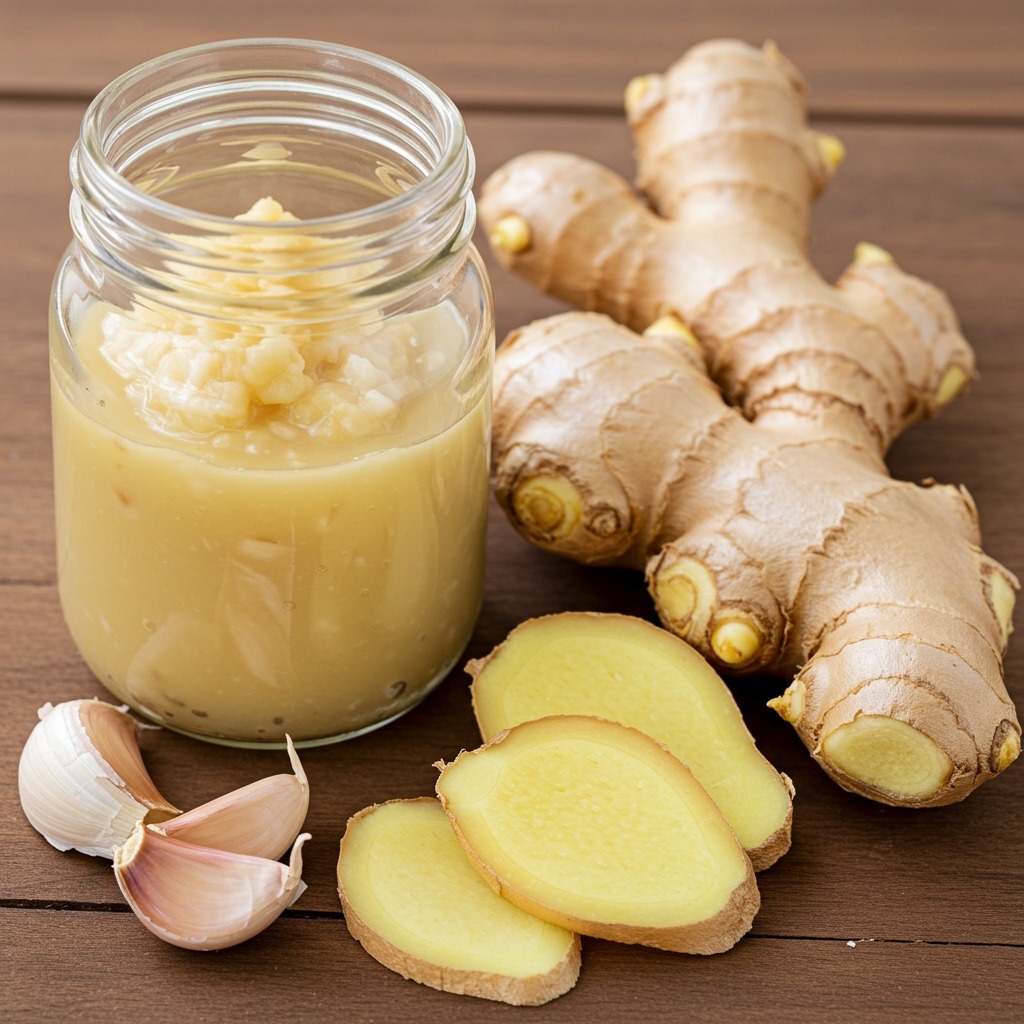
Organic gardening continues to grow in popularity as more people seek eco-friendly and sustainable ways to nourish their plants. One effective yet often overlooked method involves using kitchen ingredients like ginger and garlic to create a powerful liquid organic fertilizer. These two natural powerhouses offer not only nutrients for plant growth but also protection against pests and diseases.
In this article, you’ll learn how to make a potent ginger-and-garlic liquid fertilizer, why it works, and how to apply it for the best results—whether you’re growing vegetables, herbs, ornamentals, or even orchids.
Why Use Ginger and Garlic in Fertilizer?
Both ginger and garlic are rich in natural bioactive compounds that offer multiple benefits for plants. When used together in liquid fertilizer, they create a blend that nourishes plants and improves soil biology.
Benefits of Garlic for Plants
Antifungal and antibacterial properties help reduce the risk of soil-borne diseases.
Acts as a natural insect repellent against aphids, mites, and caterpillars.
Contains sulfur compounds, which support plant metabolism and immunity.
Benefits of Ginger for Plants
Contains natural growth-stimulating hormones and enzymes.
Enhances root development and improves soil microbial activity.
Stimulates plant defense mechanisms, helping crops resist stress and pests.
When combined in a fermented liquid form, garlic and ginger become a dynamic tonic for plant health, boosting growth and protection in one natural solution.
Ingredients You’ll Need
100 grams of fresh garlic cloves
100 grams of fresh ginger root
1 liter of non-chlorinated water (rainwater or filtered water preferred)
1 tablespoon of brown sugar or molasses (acts as a fermenting agent)
A blender or mortar and pestle
A strainer or cheesecloth
A clean glass or plastic container with a lid (for fermentation)
A spray bottle or watering can (for application)
Step-by-Step Instructions
